
Two headlines that don't seem to fit together
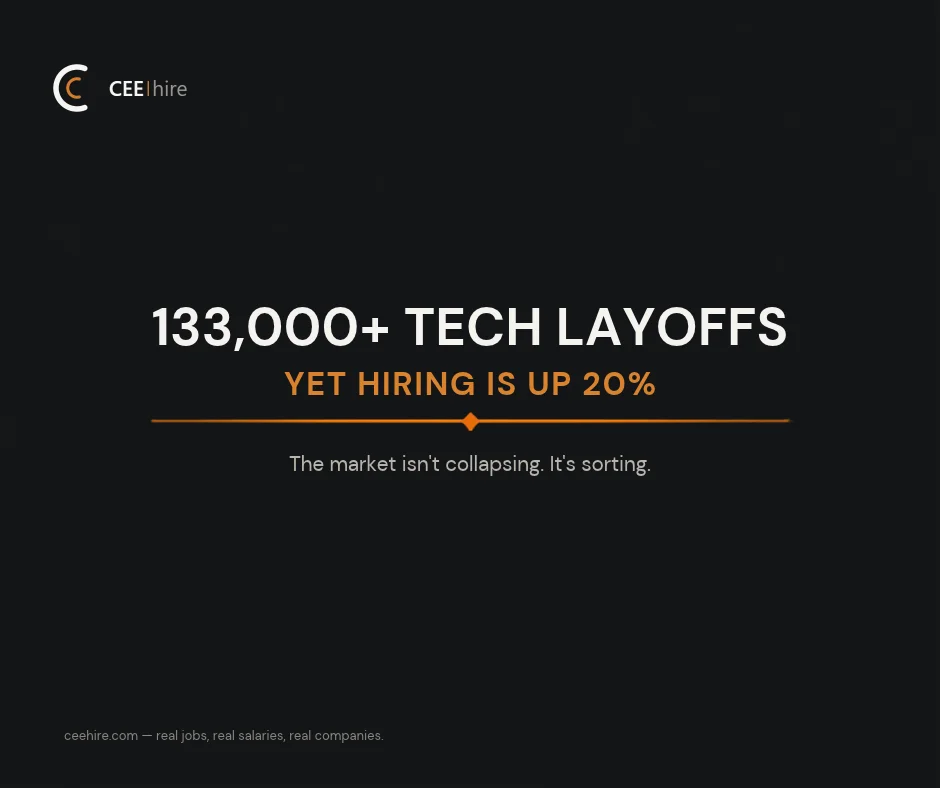
If you follow tech news, 2026 looks grim. More than 133,000 tech employees have been laid off so far this year, already above the roughly 122,600 counted for all of 2025 (layoffs.fyi via CopilotInterview, as of October 15, 2026).
But look at the hiring side and the picture changes. Indeed's US software development job postings index stood at 78.1 on October 9, 2026, up from 64.3 a year earlier. That is roughly 20% more postings year on year.
Both numbers are true at the same time. The market isn't collapsing. It's sorting. And if you're an engineer in Central and Eastern Europe, which side of that sort you land on matters more than the headline count.
Who is getting cut, and who isn't
The 2026 cuts are not spread evenly. They are concentrated in mid-career generalist roles at large employers. AI and machine learning specialists were largely spared (Pin, Tech Job Market 2026).
General platform roles have been hit hardest. Android, Java, iOS, .NET and web developer postings each fell more than 60% from their baseline. Meanwhile, CompTIA's 10-year growth projections still put cybersecurity, software engineering and QA well above the national average.
Entry level is under pressure too. Stanford HAI's 2026 report found entry-level software developer employment down about 20% from its 2024 peak.
SignalFire's 2026 State of Talent data shows the same pattern from another angle. Overall hiring at major tech companies is around 25% below 2019, but engineering hiring is down only 11% (Nindar Consulting). Companies are still hiring engineers. They are just more selective about which ones.
What this means if you're in CEE
The data above is mostly US data. What follows is my reading of it, based on the remote roles I validate for CEE engineers every week.
A company that cuts generalists but still needs a Go engineer or a security specialist faces a budget question. Hiring that specialist remotely from Poland, Romania or Hungary is often the answer. You get senior skills, EU legal certainty and a workable time zone overlap with both Europe and the US East Coast.
That is good news, with a condition. The opportunity goes to engineers with a clear, in-demand specialty. "Experienced developer, any stack" competes with thousands of laid-off US generalists. "Rust engineer with systems experience" competes with far fewer people.
What's in demand right now
You can see the same pattern on CEEhire. Almost nobody posts "developer, any stack." A few roles from our recent listings:
Role | Company | Remote from |
|---|---|---|
Joyful Craftsmen AG | Serbia | |
Hostaway | EMEA | |
Turnitin | Poland, PLN 308K–513K / year |
Every one of these asks for a specific stack or domain. That is the market telling you what it pays for.
3 moves for CEE engineers right now
Name your niche in the first line. Your CV headline and LinkedIn title should say what you specialize in, not just "Software Engineer." Recruiters scan for a stack and a domain in seconds.
Show how you work with AI tools. Companies cutting generalists want people who deliver more with the same tools. One concrete example on your CV beats a list of buzzwords.
Apply narrower, not wider. Sending 100 generic applications is exactly what everyone else is doing after a layoff wave. Ten targeted applications to roles that match your specialty will get more replies.
Find validated remote roles
Every role on CEEhire is checked before it goes live: it has to be genuinely remote and open to engineers in Central and Eastern Europe. No ghost jobs, no "remote (US only)" surprises. Create a free candidate profile to save roles and get job alerts, or browse all open roles.
Sources
Tech Hiring Statistics 2026 – CopilotInterview (layoffs.fyi and Indeed Hiring Lab figures, checked October 2026)
Tech Job Market 2026 – Pin (who is being cut, Stanford HAI, CompTIA)
Tech Layoffs in 2026: Why the Market Is Reshuffling – Nindar Consulting (SignalFire 2026 State of Talent)
Related posts
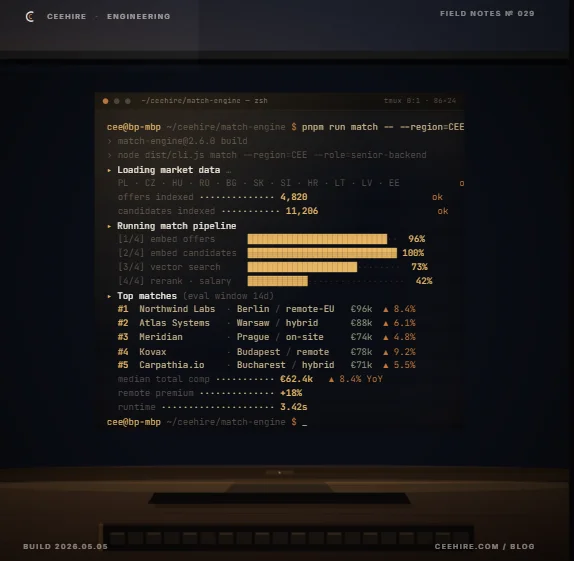
The IT job market in Central and Eastern Europe isn't dead, it's uneven. Junior frontend is crowded. But for DevOps, cybersecurity, data engineering, and backend work, US and EU companies are still hiring faster than the talent pool can keep up with. Here's where the demand actually is in 2026.

AI hiring is changing Agentic AI isn’t the only area seeing strong growth. Demand for GenAI Solutions Architects and AI Product Owners increased by 120%, while demand for LLM Engineers rose by 86.5% and MLOps Engineers by 82.2%. At the same time, AI is taking over more routine technical work. According to the analysis, it can already handle up to 70% of routine ticket resolution and reporting tasks and automate around 65% of test-case creation.
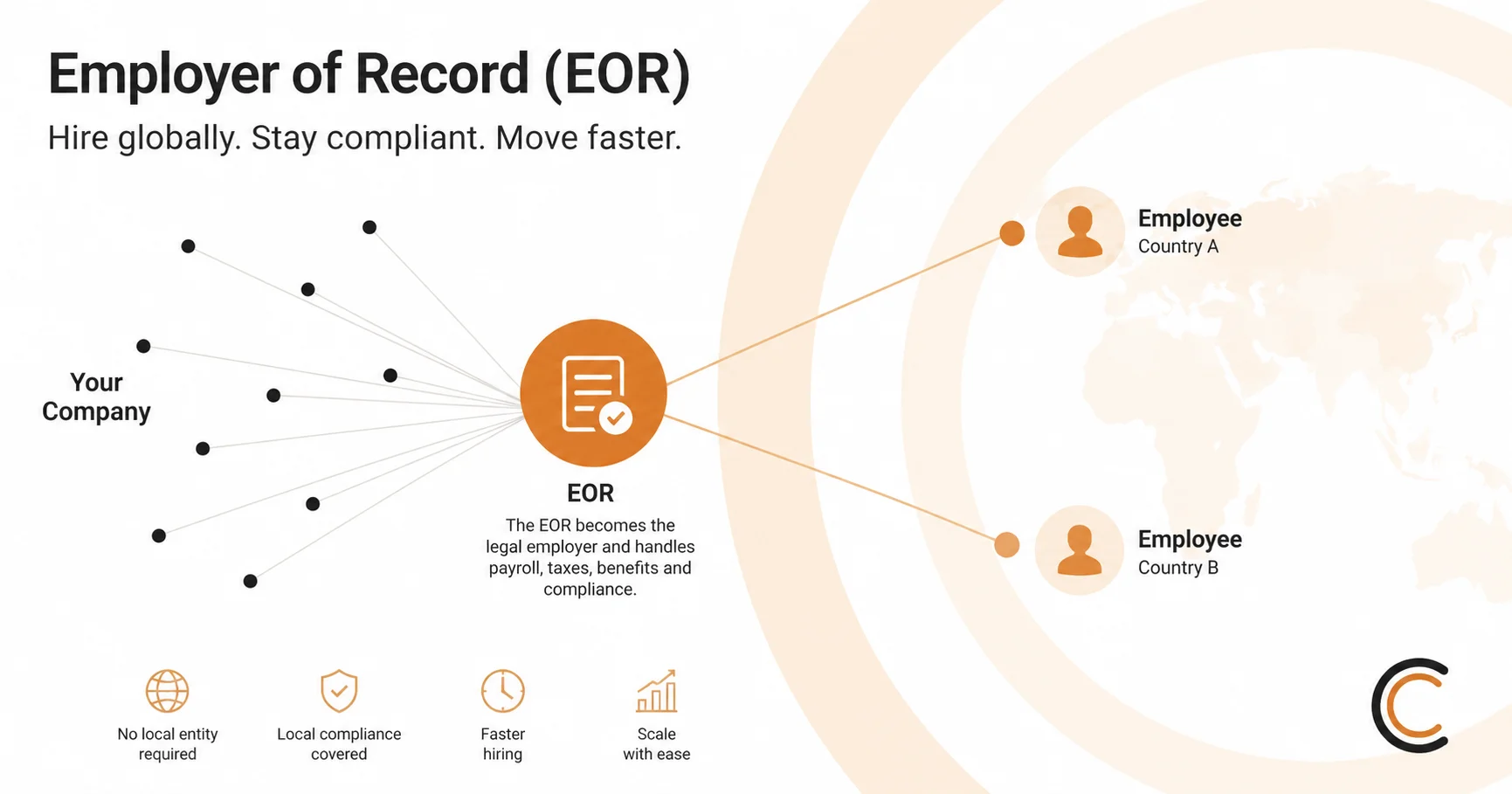
What is an Employer of Record, how does it work, and when does it actually make sense for hiring CEE tech talent? A practical 2026 guide — plus the leading EOR providers compared.